
23 Mar A Year of Change
IT was a year ago that supermarket shelves were stripped of loo roll, and our shopping habits unravelled, possibly forever.
Helen Dickinson, chief executive of the British Retail Consortium said recently that the current retail environment feels “a world apart” from the early days of the first lockdown.
Just a peek in our handbags (if we bother carrying one), shows just how much things have changed since before the pandemic hit. Nowadays, office paraphernalia and wallets bulging with receipts have been replaced by sanitiser, mask, and a sole card for buying contactless.
Aside from hygiene products getting a higher billing on our shopping lists, other habits are here to stay.
Successive studies show that people in the UK have adopted new ways of buying food that, in the majority, they intend to stick with in the long term.
They want their foods to pack more of an eco punch, with an eye on reducing the amount of food waste they produce as well as understanding more about where their food comes from. Millennials and Generation Z in particular want to see the brands they support taking action on this.
Add into the recipe the rise and rise of online shopping, and the winning brands will be those that have the cleverest digital marketing strategy, that can also bring together all the different strands that have emerged in the last 12 months.
One of those is the health benefits of the food we buy. Speaking in The Grocer, April Preston, director of food product development at M&S, said: “Health, both physical and mental, is of paramount importance this year, and the food we eat plays an integral role.”
‘Wellness’ was already a buzzword pre-pandemic, with the larger supermarkets introducing dedicated aisles to foods that aimed to pack a healthier punch. Now some are predicting that we will see more square-footage set aside specifically for eco products, possibly incorporating elements such as a refill station, clearly giving shoppers a path to a greener footprint.
Then there is the all-important ‘treat culture’ that has made the last 12 months more bearable: the idea that to mark out the weekend from the rest of the homogenous week at home, we need to somehow celebrate with a different kind of food or drink. That always existed to a certain extent, but now brands are more on their toes when it comes to reaping the benefits.
Another habit set to stick is buying British and celebrating home-produced products more. It means that big players, whose products lack the local provenance that consumers may be chasing, are beginning to exploit their own brands’ stories. Giving mass-produced a more micro feel may well feature in the months ahead. Standing out from the crowd, particularly online, will be absolutely crucial and brands will have to use every asset they have – including the eye-catching Product of the Year red logo – to attract customers. Many of these trends are seen in the 2021 winners.
It may feel like so much has changed over the past year, but this saga is far from over. As companies reduce office space and working from home becomes formalised in the months ahead (for example, the Daily Mirror announced this week that it is dramatically reducing the numbers who can work in its Canary Wharf space), millions of workers will find themselves shifting their habits again to take account of the longer-term perspective that is starting to emerge.
Much has changed since March 2020 when loo rolls leapt off the shelves, but expect more upset in the supermarket aisles in the months to come.
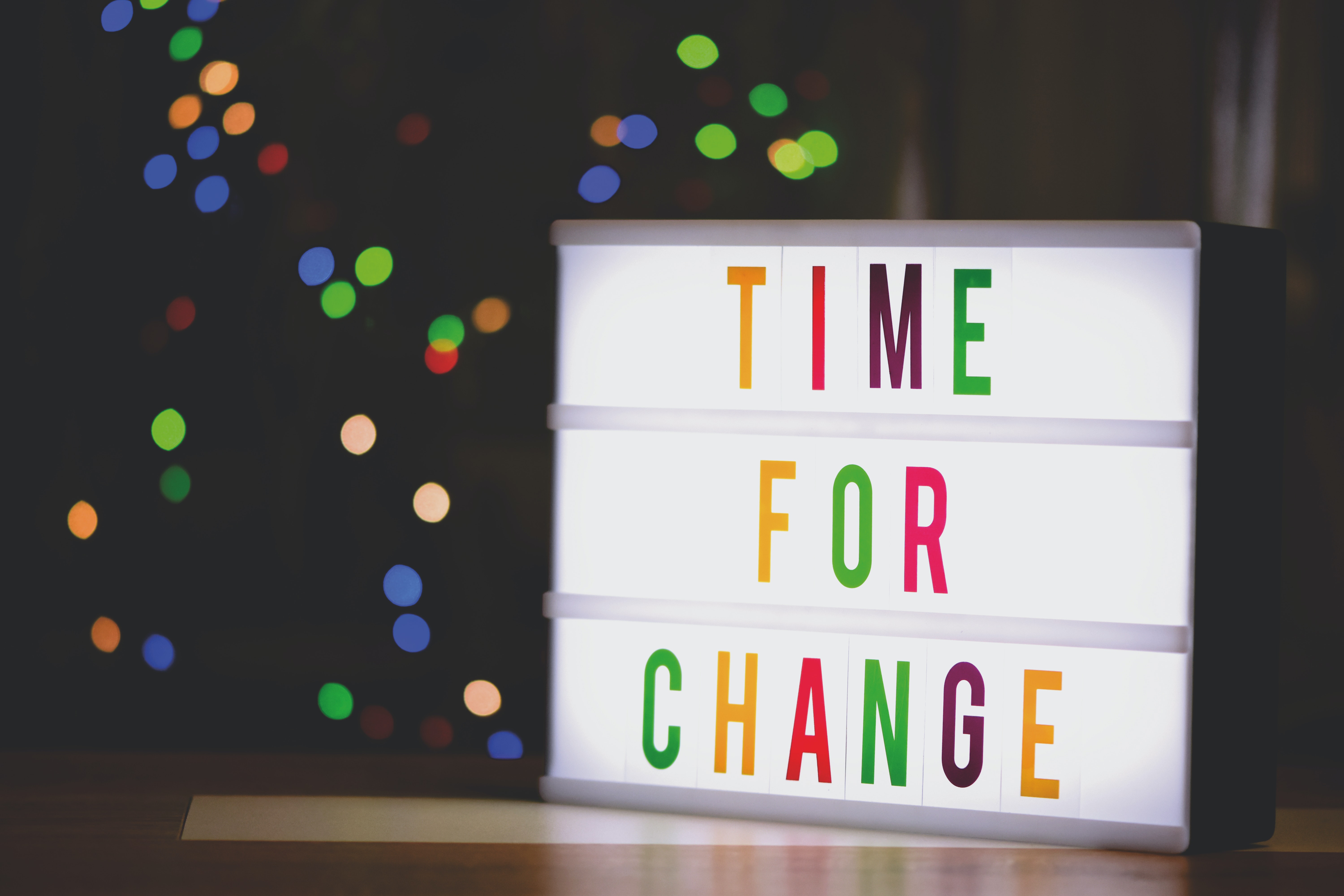
Photo by Alexas Fotos from Pexels